How to Use Fans and Vents to Control Bathroom Mold in Quincy
Bathrooms in Quincy’s humid coastal climate are prime targets for mold. Without proper airflow, moisture lingers, feeding spores that thrive on walls, ceilings, and grout. We’ll show you how to leverage fans and vents to keep humidity in check and mold at bay.
Why Bathroom Mold Thrives in Quincy’s Climate
Our region’s high humidity, especially in spring and summer, creates the perfect breeding ground for mold. Bathrooms lack natural airflow, trapping moisture after showers and baths.
Porous materials like drywall, grout, and ceiling tiles absorb that moisture. Within 24–48 hours, mold spores can take hold if humidity stays above 60%.
The Role of Exhaust Fans in Mold Prevention
A properly sized exhaust fan removes moist air directly at the source. For Quincy bathrooms under 100 sq ft, a fan rated at 1 CFM per square foot is standard. Larger or high-moisture spaces may need more.
Look for fans with a sone rating below 3.0 for quiet operation—critical in homes where bathrooms are near bedrooms. Energy Star-rated models also reduce long-term costs.
| Bathroom Size (sq ft) | Minimum CFM | Recommended Sone Rating |
|---|---|---|
| Up to 50 | 50 CFM | < 2.0 |
| 50–100 | 80–100 CFM | < 3.0 |
| 100+ or high-moisture | 110+ CFM | < 3.0 |
Common Ventilation Mistakes We See in Local Homes
Many Quincy homes have fans venting into attics instead of outdoors. This traps moisture in the attic, leading to hidden mold growth in insulation or rafters—often requiring attic mold remediation later.
Others rely on passive vents or open windows, which don’t provide consistent airflow. In winter, cold air can cause condensation on walls, worsening the problem.
Venting a bathroom fan into an attic or crawl space violates building codes and creates a mold risk. Always exhaust moisture outside.
Upgrading Your Ventilation System
If your fan is weak or noisy, consider an upgrade. Modern units offer humidity sensors that auto-trigger when moisture spikes, ideal for Quincy’s damp seasons.
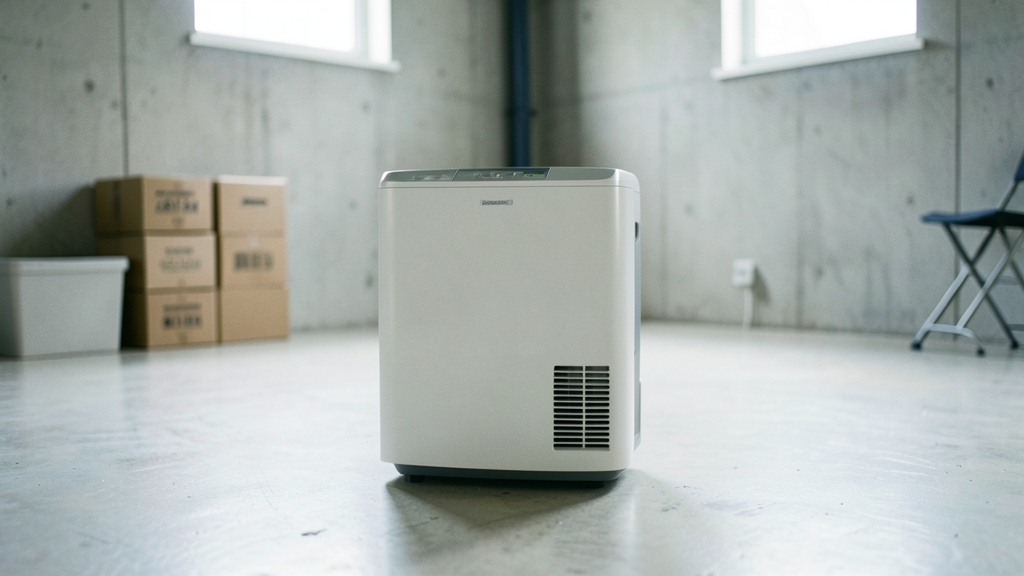
For homes without existing ductwork, inline fans or wall-mounted vents can be retrofitted. We often pair these with dehumidifiers in basements or crawl spaces for whole-home moisture control.
Maintenance Tips to Keep Fans Running Efficiently
Dust and lint clog fan grilles and ducts, reducing airflow. Clean the grille monthly with a vacuum or damp cloth. For ducts, a professional inspection every 1–2 years ensures no blockages or mold buildup.
Check the fan’s operation by holding a tissue to the grille. If it doesn’t hold, the fan may be failing or the duct disconnected—common issues we find during mold inspections in Braintree and Weymouth.
Quick Fan Maintenance Routine
- Vacuum grille and visible ductwork monthly
- Test fan suction with a tissue every 6 months
- Inspect duct connections annually for leaks or disconnections
- Replace old or noisy fans after 10 years of use
When Fans Aren’t Enough: Additional Moisture Controls
Even with a great fan, some Quincy bathrooms need extra help. Install a timer switch to keep the fan running 20–30 minutes after use. For chronic dampness, a small dehumidifier can supplement ventilation.
Seal grout lines and caulk around fixtures annually. In older homes, we often recommend moisture-resistant drywall or paint in bathrooms prone to mold.
In tight spaces like powder rooms in Milton or Hingham, a high-CFM fan with a short duct run works best. Avoid long, winding ducts that reduce efficiency.
Signs Your Bathroom Ventilation Isn’t Working
Peeling paint, musty odors, or visible mold on ceilings or walls are red flags. Condensation on mirrors that lingers long after showers is another sign of poor airflow.
If you notice these issues, act fast. Mold can spread to adjacent rooms or even into HVAC systems, requiring commercial mold remediation for larger properties.
How to Test and Improve Your Bathroom Ventilation
Follow these steps to ensure your fan and vents are effectively controlling moisture.
- 1Check Fan Airflow
Hold a tissue up to the fan grille while it’s running. If the tissue doesn’t stick, the fan may be clogged or improperly installed.
- 2Inspect Ductwork
Trace the duct from the fan to the exterior vent. Ensure it’s connected, straight, and free of kinks or blockages.
- 3Measure Humidity
Use a hygrometer to monitor bathroom humidity. Aim to keep it below 50% to inhibit mold growth.
- 4Upgrade or Clean the Fan
If airflow is weak, clean the grille and duct or replace the fan with a higher-CFM model suited to your bathroom size.
- 5Add a Timer or Humidity Sensor
Install a switch with a built-in timer or humidity sensor to automate fan operation and ensure moisture is fully removed.
Frequently Asked Questions
How long should I run the bathroom fan after a shower?
Run the fan for at least 20–30 minutes after showering to remove lingering moisture. In Quincy’s humid summers, you may need to extend this time or use a dehumidifier for stubborn dampness.
Can I install a bathroom fan myself, or should I hire a pro?
If you’re comfortable with basic wiring and ductwork, DIY is possible for simple replacements. For new installations, especially in older Quincy homes, a professional ensures proper venting to the exterior and compliance with local codes.
What type of vent works for a Quincy bathroom with no existing ductwork?
Wall-mounted exhaust fans with short, direct ducts to the outside are ideal. Avoid soffit vents, which can trap moisture in the attic. In tight spaces, consider a ceiling-mounted inline fan.
Why do I still have mold even with a bathroom fan?
The fan may be undersized, improperly vented, or clogged. Other issues like leaks, poor insulation, or high indoor humidity can also contribute. A mold inspection can identify hidden problems in walls or crawl spaces.
Do bathroom fans help with mold in other parts of the house?
Indirectly, yes. By reducing overall humidity, a well-ventilated bathroom lowers the risk of mold spreading to adjacent rooms or basements. However, areas like crawl spaces or attics often need separate moisture control solutions.
Are there any local regulations in Quincy for bathroom ventilation?
Massachusetts building codes require bathroom exhaust fans to vent directly outside, not into attics or crawl spaces. For remodels or new construction, permits may be required. Always check with Quincy’s building department.