Mold vs. Mildew: Which Is Worse for Your Quincy Home’s Air Quality?
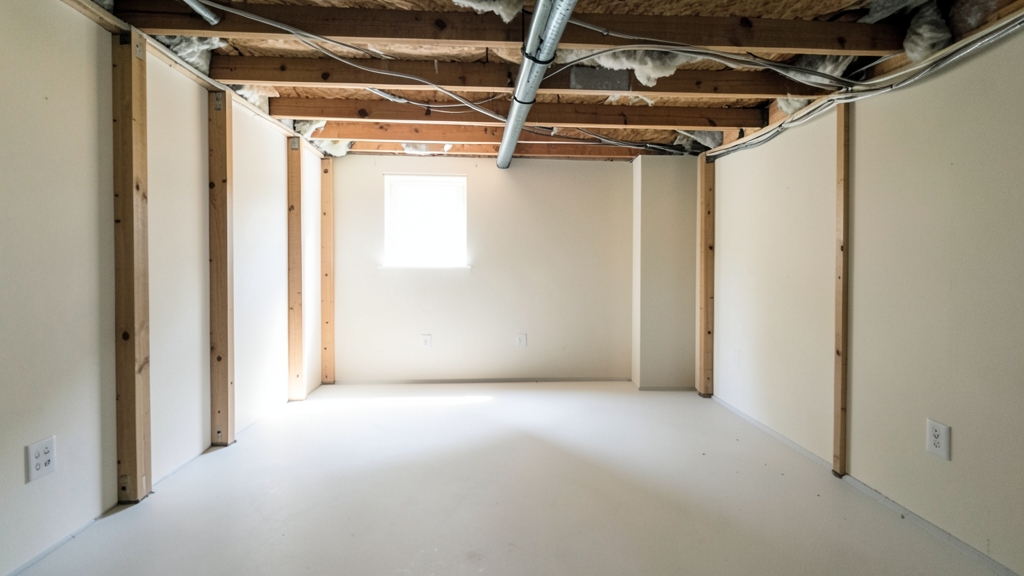
Homeowners often confuse mold and mildew, but the differences matter—especially for air quality. Our team sees both thrive in Quincy’s humid summers and damp basements, yet their health impacts and removal methods diverge sharply.
Mold vs. Mildew: The Core Differences
Mold is a fungus that penetrates surfaces, often appearing fuzzy or slimy in black, green, or blue. It thrives on organic materials like drywall, wood, and insulation, breaking them down over time.
Mildew is a surface-level fungus, typically white or gray, that grows in flat patches. It’s easier to clean but can still trigger allergies and musty odors if left unchecked.
| Feature | Mold | Mildew |
|---|---|---|
| Appearance | Fuzzy, slimy, or dark spots | Powdery or downy, white/gray |
| Growth Depth | Penetrates porous materials | Stays on surface |
| Health Risks | Respiratory issues, mycotoxins (e.g., black mold) | Allergies, mild irritation |
| Common Locations | Basements, attics, behind walls | Bathrooms, windowsills, fabrics |
| Removal Difficulty | Often requires professional remediation | Can be cleaned with bleach or vinegar |
Why Quincy’s Climate Fuels Both Problems
Our coastal humidity, especially in summer, creates ideal conditions for mold and mildew. Poor ventilation in older Quincy homes—common in neighborhoods like Wollaston or Adams Shore—exacerbates moisture buildup.
Basements and crawl spaces often lack proper drainage or vapor barriers, while attics trap heat and condensation. Even minor water intrusions from heavy rain or snowmelt can spark growth within 24–48 hours.
Standing water or dampness from leaks, floods, or even high humidity can trigger mold growth in as little as 48 hours. Immediate drying and inspection are critical.
Health Impacts: Which Is More Dangerous?
Mold poses greater health risks, particularly toxic varieties like Stachybotrys (black mold). Prolonged exposure can cause chronic respiratory issues, headaches, and immune system suppression in sensitive individuals.
Mildew is less severe but can still aggravate asthma, allergies, and sinus problems. Neither should be ignored, especially in homes with children, elderly residents, or pets.
How We Diagnose the Problem
Our team starts with a thorough mold inspection, using moisture meters and thermal imaging to detect hidden growth behind walls or under flooring. Air quality testing identifies spore counts and types, which is crucial for Quincy homes with lingering odors or unexplained health symptoms.
For mildew, visual assessment and surface sampling often suffice. But if mold is suspected—especially in basements or attics—we recommend professional testing to confirm the species and extent.
Over-the-counter mold test kits can’t distinguish between harmless and hazardous species. Lab analysis provides the data needed to choose the right remediation approach.
Remediation: Different Approaches for Each
Mildew can often be treated with scrubbing and commercial cleaners, but only if the affected area is small and non-porous. For larger or recurrent issues, our team uses HEPA vacuums and antimicrobial treatments to prevent regrowth.
Mold remediation is more complex. We contain the area with plastic sheeting, use air scrubbers to capture spores, and remove contaminated materials like drywall or insulation. In Quincy’s older homes, this may extend to crawl space encapsulation or attic ventilation upgrades.
Preventing Future Growth in Your Home
Controlling moisture is the best defense. Dehumidifiers in basements, exhaust fans in bathrooms, and proper grading around the foundation can drastically reduce risk. In neighborhoods like Houghs Neck or Germantown, where flooding is a concern, sump pumps and French drains add critical protection.
Regular inspections of roofs, gutters, and plumbing help catch leaks early. For attics, ensure proper ventilation and insulation to prevent condensation buildup.
Mold and Mildew Prevention Checklist
- Maintain indoor humidity below 50% with dehumidifiers
- Inspect and clean gutters and downspouts annually
- Use exhaust fans in kitchens and bathrooms during and after use
- Seal cracks in foundations and walls to block moisture
- Store items in plastic bins, not cardboard, in basements or attics
- Schedule annual mold inspections for high-risk areas
When to Call a Professional
If you see mold covering more than 10 square feet, or if it’s in your HVAC system, call our team immediately. Hidden mold—common in Quincy’s historic homes with plaster walls—often requires professional detection and removal.
Mildew in large or hard-to-reach areas also warrants expert attention. We serve Quincy, Braintree, Milton, Weymouth, and beyond, tailoring solutions to local conditions and home structures.
How to Identify Mold vs. Mildew in Your Home
Use this quick guide to tell the difference before deciding on next steps.
- 1Look at the Color and Texture
Mold is often black, green, or blue with a fuzzy or slimy texture. Mildew is typically white or gray and appears powdery or downy.
- 2Check the Surface
Mildew stays on the surface and can be wiped away. Mold penetrates materials, making it harder to remove.
- 3Smell the Area
Mold has a strong, musty odor, while mildew produces a milder, earthy smell. Both indicate a moisture problem.
- 4Assess the Location
Mildew thrives in damp, well-lit areas like bathrooms. Mold often hides in dark, enclosed spaces like basements, attics, or behind walls.
- 5Test the Affected Material
Press a cotton swab on the spot. If it leaves a stain or the material crumbles, it’s likely mold. For certainty, request a professional air quality test.
Frequently Asked Questions
Can mildew turn into mold?
No, mildew and mold are distinct fungi, but they often coexist. If moisture persists, mildew can signal conditions ripe for mold growth. Addressing the underlying dampness prevents both.
Is black mold common in Quincy homes?
Yes, especially in older homes with poor ventilation or past water damage. Black mold (Stachybotrys) thrives in chronically damp areas like basements or after flooding, which Quincy’s coastal climate can exacerbate.
How do I know if my home’s air quality is affected?
Signs include musty odors, visible growth, or health symptoms like coughing, sneezing, or itchy eyes. Professional air quality testing measures spore levels and identifies hidden contamination.
Does homeowners insurance cover mold remediation in Massachusetts?
Coverage varies by policy and cause. Sudden water damage (e.g., burst pipes) may be covered, but gradual issues like humidity or neglect often aren’t. Review your policy and request a quote for remediation costs.
Can I remove mold myself in my Quincy basement?
For small, non-toxic mold on non-porous surfaces, DIY cleaning with detergent and water may work. However, porous materials (drywall, insulation) or large infestations require professional remediation to ensure safety and prevent recurrence.
What’s the best way to prevent mold in a Quincy attic?
Ensure proper ventilation with soffit and ridge vents, install a vapor barrier, and check for roof leaks. In winter, monitor for ice dams, which can cause moisture buildup. Annual inspections help catch issues early.