Mold After Water Damage: Health Dangers and What Quincy Homeowners Need to Know
Water damage doesn’t just leave stains and warped floors—it invites mold, a silent threat that can spread within 24-48 hours. For Quincy homeowners, understanding the health risks and acting fast can mean the difference between a quick fix and a costly, hazardous infestation.
Why Mold Thrives After Water Damage
Mold spores are everywhere, but they only grow when moisture, warmth, and organic materials like drywall or wood converge. Quincy’s humid summers and wet springs create perfect conditions for spores to take hold after leaks, floods, or even high indoor humidity.
Hidden water—behind walls, under flooring, or in crawl spaces—often goes unnoticed until mold colonies appear. Basements and attics, common in older Quincy homes, are especially vulnerable due to poor ventilation and temperature swings.
Health Risks of Post-Water Damage Mold Exposure
Inhaling or touching mold spores can trigger allergic reactions, asthma attacks, and respiratory infections. Black mold (Stachybotrys) and other toxic varieties may release mycotoxins, linked to neurological issues and chronic fatigue with prolonged exposure.
Children, the elderly, and those with compromised immune systems face higher risks. Even non-toxic mold can worsen allergies or cause skin and eye irritation. In commercial settings like schools or offices, poor air quality from mold can lead to widespread health complaints.
Mold can begin growing within 24 hours of water exposure. Delaying remediation increases health risks and structural damage.
Signs You Have Mold After Water Damage
Visible mold—black, green, white, or orange patches—is the most obvious sign, but it often hides behind walls or under carpets. Musty odors are a red flag, even if you can’t see the source.
Other clues include peeling paint, warped wood, or persistent humidity. In Quincy’s older neighborhoods like Wollaston or Adams Shore, aging plumbing and historic homes may mask leaks until mold appears. Unexplained health symptoms can also signal hidden mold.
Common Mold Indicators
- Musty odors in specific areas
- Visible discoloration on walls or ceilings
- Water stains or bubbling paint
- Increased allergy symptoms indoors
- Condensation on windows or pipes
Mold vs. Mildew: What’s the Difference?
Mildew is a surface-level fungus that appears as gray or white powdery patches, often on bathroom tiles or window sills. It’s easier to clean and less harmful than mold, which penetrates materials and can cause structural damage.
Mold, on the other hand, appears as fuzzy or slimy patches in various colors and can spread rapidly if untreated. While mildew is a nuisance, mold poses serious health and property risks, especially after water damage.
| Feature | Mold | Mildew |
|---|---|---|
| Appearance | Fuzzy, slimy, or dark patches | Powdery, gray or white |
| Surface Depth | Penetrates materials deeply | Stays on the surface |
| Health Risk | High (respiratory, toxic) | Low (mostly aesthetic) |
| Growth Speed | Rapid (24-48 hours) | Slower |
| Common Locations | Walls, ceilings, basements, attics | Bathrooms, kitchens, windows |
Where Mold Hides in Quincy Homes After Water Damage
Basements and crawl spaces are prime targets due to poor airflow and high humidity. Quincy’s coastal climate means these areas often retain moisture long after a leak or flood.
Attics can trap heat and moisture, especially if roof leaks go unnoticed. Water damage from ice dams in winter or heavy rain can soak insulation, creating a breeding ground for mold.
Behind drywall, under flooring, and inside HVAC systems are other common hiding spots. Mold in ductwork can spread spores throughout the home, affecting air quality in every room.
The Mold Remediation Process: What to Expect
First, we conduct a thorough mold inspection and testing, often including air quality testing to assess spore levels. This helps us identify the type and extent of the infestation, even in hidden areas.
Containment is critical to prevent spores from spreading during removal. We use physical barriers and negative air pressure, along with HEPA filtration, to isolate the affected area. All contaminated materials are safely removed and disposed of according to industry standards.
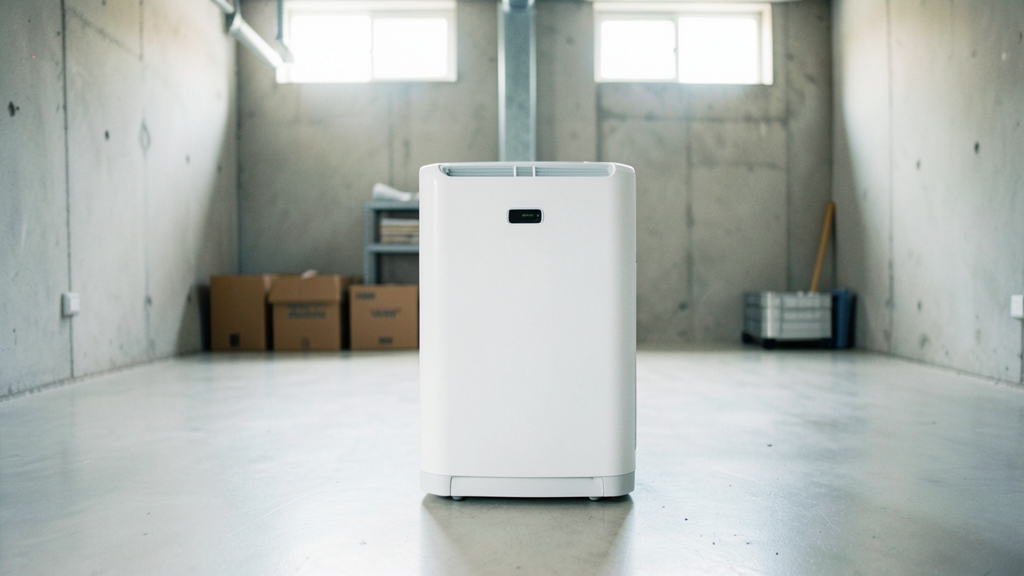
After removal, we clean and sanitize the space with antimicrobial treatments. The final step is addressing the moisture source—whether it’s a leak, poor ventilation, or high humidity—to prevent recurrence. In Quincy, we often recommend dehumidifiers or improved drainage for basements and crawl spaces.
Disturbing mold without proper containment can release spores into the air, worsening the problem. Always consult professionals for remediation.
Preventing Mold After Water Damage
The key to mold prevention is controlling moisture. Fix leaks promptly, use dehumidifiers in damp areas, and ensure proper ventilation in bathrooms, kitchens, and laundry rooms.
In Quincy, where basements are common, waterproofing and sump pumps can help manage groundwater seepage. Regularly inspecting roofs, gutters, and downspouts can also prevent water from entering your home.
For long-term protection, consider moisture-resistant materials like mold-resistant drywall or insulation in high-risk areas. Scheduling annual mold inspections can catch issues early, especially after severe weather.
How to Respond to Water Damage to Prevent Mold
Acting quickly after water damage can save you from a mold headache.
- 1Stop the Water Source
Turn off the main water supply if the leak is from plumbing, or cover roof leaks with a tarp to prevent further damage.
- 2Remove Standing Water
Use a wet/dry vacuum or pump to extract water from floors and carpets. The longer water sits, the higher the mold risk.
- 3Dry the Area Thoroughly
Run fans, dehumidifiers, and open windows to circulate air and reduce humidity. Aim to dry the area within 24-48 hours.
- 4Discard Damaged Materials
Porous items like drywall, insulation, and carpet padding that can’t be fully dried should be removed and replaced.
- 5Disinfect and Monitor
Clean non-porous surfaces with a bleach solution or antimicrobial cleaner. Monitor the area for signs of mold or lingering moisture.
- 6Call a Professional
If the damage is extensive or you suspect hidden mold, contact a remediation expert for inspection and testing.
Frequently Asked Questions
How quickly can mold grow after water damage in my Quincy home?
Mold can begin growing within 24-48 hours of water exposure, especially in warm, humid conditions. Quincy’s climate accelerates this process, so prompt attention helps prevent infestations.
Is black mold more dangerous than other types of mold?
Black mold (Stachybotrys) can produce mycotoxins, which pose greater health risks than common molds. However, any mold growth should be addressed promptly, as all molds can trigger allergies or respiratory issues.
Can I clean up mold myself after water damage?
Small, surface-level mold (under 10 square feet) can sometimes be cleaned with proper safety gear and antimicrobial solutions. However, larger infestations or hidden mold require professional remediation to ensure safe, thorough removal.
What should I do if I smell mold but can’t see it?
A musty odor often indicates hidden mold behind walls, under flooring, or in HVAC systems. Schedule a mold inspection and air quality testing to locate the source and assess the extent of the problem.
Does homeowners insurance cover mold remediation in Quincy?
Coverage varies by policy. Many standard policies cover mold damage if it results from a sudden, accidental water leak but exclude mold from long-term humidity or neglect. Review your policy and consult your insurer, and request a quote from a remediation expert to understand costs.
How can I prevent mold in my basement or crawl space?
Control moisture with dehumidifiers, proper drainage, and waterproofing. Ensure good ventilation, and consider encapsulating crawl spaces. Regular inspections can catch early signs of water intrusion or mold growth.