The Link Between Water Damage and Mold: Insights from Quincy Inspectors
Water damage isn’t just a structural issue—it’s a mold invitation. In our coastal climate, even minor leaks or humidity spikes can trigger rapid mold colonization, especially in basements, attics, and crawl spaces. We’ve seen firsthand how unseen moisture turns into full-blown infestations in Quincy area homes.
Why Water Damage Almost Always Leads to Mold
Mold spores are everywhere—dormant until moisture wakes them up. Within 24–48 hours of water exposure, they begin germinating on porous surfaces like drywall, insulation, or wood framing.
Our region’s humid summers and wet winters compound the problem. Basements in Braintree or Milton, for example, often battle high humidity year-round, while attics in Weymouth may trap moisture from roof leaks or poor ventilation.
Common Water Damage Sources in Local Homes
Coastal storms and Nor’easters flood basements, but most mold cases we handle start smaller: a slow pipe leak behind a wall, a faulty sump pump, or condensation from poor attic insulation.
In older Quincy homes, aging plumbing and inadequate grading around foundations are frequent culprits. Even new builds in Hingham can suffer from improperly sealed crawl spaces or HVAC systems that circulate moisture.
Hidden Mold: Where Water Damage Lurks Unseen
Mold thrives in dark, undisturbed areas. We often find it behind baseboards, under carpet padding, or inside wall cavities after a leak. Attics with poor ventilation trap heat and moisture, creating ideal conditions for growth on plywood or insulation.
Crawl spaces are another hotspot—especially in homes near the Neponset River or Squantum. Without vapor barriers or dehumidifiers, these areas become mold incubators.
A persistent earthy or musty smell is a red flag for hidden mold. By the time you notice it, the problem may already be widespread. Professional air quality testing can confirm the presence of spores even if mold isn’t visible.
Water Damage vs. Mold Remediation: Key Differences
Water damage restoration focuses on drying and repairing the source—extracting standing water, dehumidifying, and replacing damaged materials. Mold remediation, however, targets the biological growth itself.
While some water damage companies in Boston offer both, mold remediation requires specialized containment, HEPA filtration, and antimicrobial treatments to prevent cross-contamination. Cutting corners here can lead to recurrence.
| Focus | Primary Goal | Key Tools/Techniques | When It’s Needed |
|---|---|---|---|
| Water Damage Restoration | Stop moisture and repair structural damage | Water extractors, dehumidifiers, moisture meters, fans | After flooding, leaks, or burst pipes |
| Mold Remediation | Remove mold colonies and prevent regrowth | HEPA vacuums, air scrubbers, antimicrobial sprays, containment barriers | After mold is confirmed via inspection or testing |
| Both | Prevent future mold growth | Moisture barriers, dehumidifiers, improved ventilation | In high-risk areas like basements, attics, or crawl spaces |
How Humidity and Poor Ventilation Fuel the Problem
High humidity is as damaging as standing water. In Quincy’s coastal climate, indoor humidity often exceeds 60%—the threshold where mold spores activate. Bathrooms, kitchens, and laundry rooms are prime targets without proper exhaust fans.
Attics and crawl spaces need ventilation to release trapped moisture. Without it, condensation builds on cold surfaces, feeding mold on wood or insulation. We’ve seen entire roof decks in Milton require replacement due to prolonged humidity exposure.
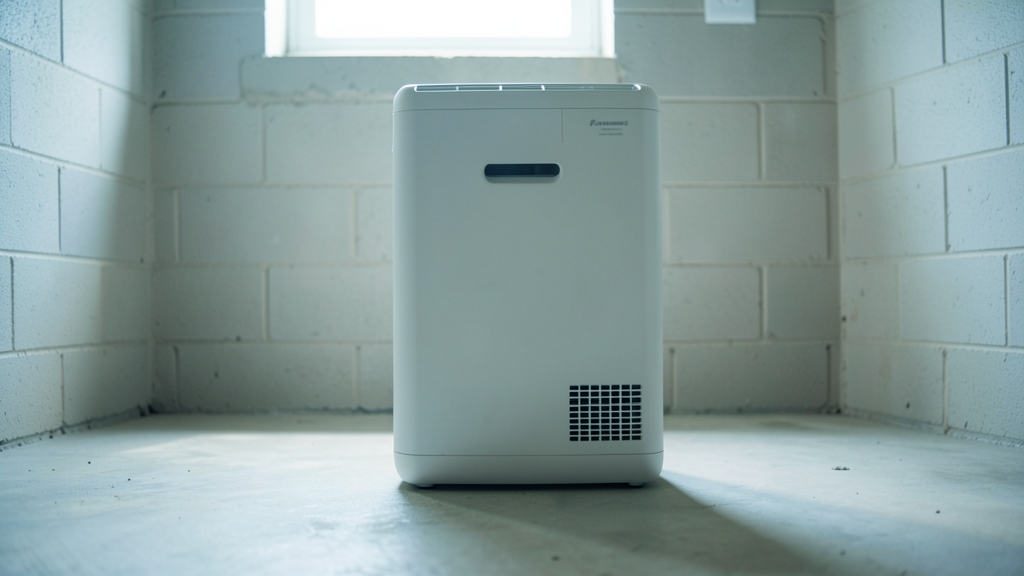
Use dehumidifiers in basements and crawl spaces, and ensure attics have ridge vents or soffit vents. A hygrometer (under $20) helps monitor levels—aim to keep indoor humidity below 50%.
Signs You Need a Professional Mold Inspection
Visible mold is an obvious sign, but it’s often the tip of the iceberg. Other indicators include water stains on ceilings or walls, peeling paint or wallpaper, or warped flooring. Allergies or respiratory issues that worsen at home can also signal a hidden problem.
In commercial properties, especially in Boston’s older buildings, mold can spread through HVAC systems. Tenants may report musty odors or health complaints before the source is identified.
The Mold Remediation Process: What to Expect
We start with containment to isolate the affected area, using plastic sheeting and negative air pressure. This prevents spores from spreading during removal. All porous materials—drywall, insulation, carpet—are typically removed and replaced.
Non-porous surfaces are cleaned with antimicrobial solutions, and HEPA vacuums capture lingering spores. Air scrubbers run continuously to filter airborne contaminants. Post-remediation testing ensures the job is complete.
Preventing Recurrence: Moisture Control Strategies
The key to long-term mold prevention is moisture control. Fix leaks promptly, ensure proper grading away from the foundation, and use sump pumps in flood-prone basements. In crawl spaces, install vapor barriers and consider encapsulation.
For attics, improve insulation and ventilation. In living spaces, use exhaust fans in kitchens and bathrooms, and address condensation on windows or pipes immediately. Regular inspections—especially after storms—can catch issues early.
Mold Prevention Checklist for Homeowners
- Inspect roofs, gutters, and downspouts for leaks or blockages
- Use dehumidifiers in basements and crawl spaces (empty regularly)
- Seal gaps around windows, doors, and pipes to prevent water intrusion
- Ensure attics and crawl spaces are properly ventilated
- Address plumbing leaks or appliance malfunctions immediately
- Monitor indoor humidity with a hygrometer (keep below 50%)
- Schedule annual mold inspections for high-risk areas
How to Respond to Water Damage Before Mold Takes Hold
Acting quickly can mean the difference between a minor repair and a full-scale mold remediation project.
- 1Stop the Water Source
Shut off the main water supply if the leak is from plumbing, or tarp a damaged roof to prevent further intrusion. Safety first—avoid standing water near electrical outlets.
- 2Extract Standing Water
Use a wet/dry vacuum or pump to remove water from floors, carpets, or basements. The longer water sits, the deeper it penetrates porous materials.
- 3Dry the Area Thoroughly
Run fans and dehumidifiers continuously for at least 24–48 hours. Open windows if outdoor humidity is low. Focus on hidden areas like behind baseboards or under flooring.
- 4Remove Damaged Materials
Cut out and discard waterlogged drywall, insulation, or carpet padding. These materials cannot be fully dried and will harbor mold if left in place.
- 5Disinfect and Monitor
Clean non-porous surfaces with a bleach solution (1 cup bleach to 1 gallon water) or a commercial antimicrobial. Monitor the area for signs of mold or lingering moisture.
- 6Call a Professional
If the damage is extensive, or if you suspect mold, contact a mold remediation team.
Frequently Asked Questions
How quickly can mold grow after water damage in a Quincy home?
Mold can begin germinating within 24–48 hours of water exposure, especially in warm, humid conditions. In our coastal climate, this timeline is often accelerated. That’s why rapid water extraction and drying are critical.
Can I just clean mold myself with bleach?
Bleach can kill surface mold on non-porous materials like tile or glass, but it doesn’t penetrate porous surfaces like drywall or wood. More importantly, bleach doesn’t address the root moisture issue. For anything beyond a small, isolated patch, professional remediation is safer and more effective.
What’s the difference between mold testing and mold inspection?
A mold inspection is a visual and technical assessment of your property for signs of mold, moisture, or water damage. Mold testing involves collecting air or surface samples to identify the type and concentration of mold spores. We often recommend both for a comprehensive diagnosis, especially in high-risk areas like basements or attics.
Are certain types of mold more common in Quincy area homes?
Yes. In our region, we frequently encounter Aspergillus, Penicillium, and Cladosporium—common indoor molds that thrive in damp environments. Stachybotrys (often called ‘black mold’) is less common but can appear after prolonged water damage, particularly on cellulose materials like drywall or wood.
Does homeowners insurance cover mold remediation?
Coverage varies by policy and the cause of the mold. Most standard policies cover mold damage resulting from a sudden, accidental water event (like a burst pipe) but exclude mold caused by long-term neglect or high humidity. Review your policy and document the damage thoroughly. We can provide detailed reports to support your claim.
How can I tell if my basement’s musty smell is mold or just old house odors?
A musty smell is a classic sign of mold, but it’s not the only indicator. Look for visible growth, water stains, or peeling paint. If the odor persists even after cleaning and improving ventilation, it’s likely mold. Professional air quality testing can confirm the presence of elevated spore levels.