Legal and Health Reasons for Professional Mold Remediation in Quincy Rental Properties
Mold in rental properties isn’t just an eyesore—it’s a legal and health liability. Massachusetts law holds landlords accountable for safe, habitable housing, and Quincy’s humid coastal climate accelerates mold growth. Professional remediation protects tenants and your investment.
Why Mold in Rentals Is a Legal Risk in Massachusetts
The Massachusetts State Sanitary Code (105 CMR 410) requires landlords to maintain mold-free living conditions. Failure to address mold can lead to tenant lawsuits, rent withholding, or even court-ordered remediation at your expense.
Quincy’s proximity to the coast and older housing stock in neighborhoods like Wollaston or Adams Shore increase moisture risks. DIY fixes often miss hidden mold in wall cavities or HVAC systems, leaving you exposed.
Tenants can sue for health damages or break leases if mold is untreated. Documentation of professional remediation is your best defense.
Health Hazards That Demand Professional Action
Mold spores trigger allergies, asthma, and respiratory infections—especially in children, the elderly, or immunocompromised tenants. Black mold (Stachybotrys) produces mycotoxins linked to neurological issues with long-term exposure.
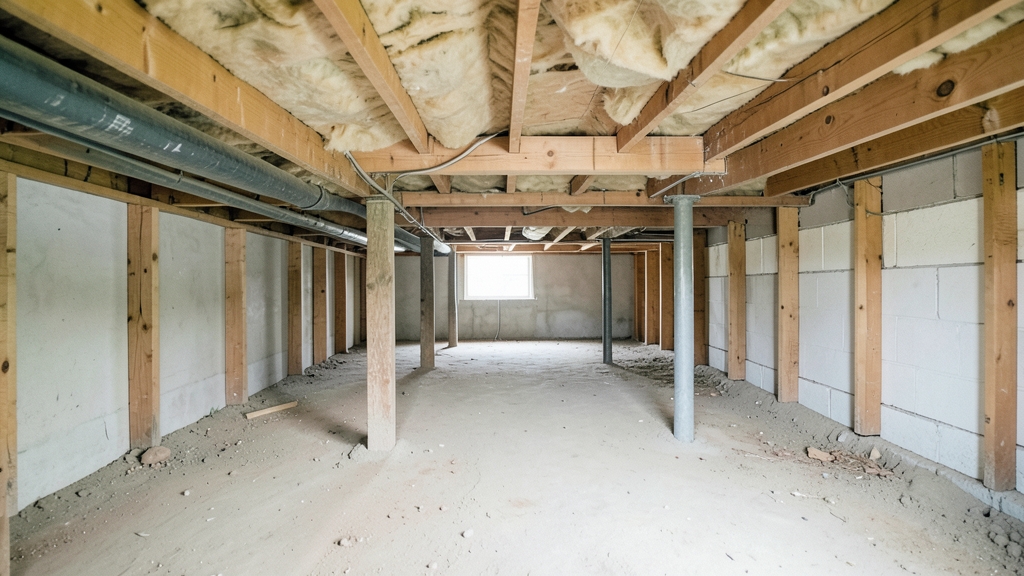
Poor ventilation in Quincy’s older multi-family homes worsens air quality. Basement and crawl space mold often spreads upward through HVAC systems, contaminating entire buildings.
DIY vs. Professional Remediation: What Landlords Overlook
Bleach kills surface mold but doesn’t address the moisture source or spores in porous materials like drywall. Without proper containment, DIY efforts can aerosolize spores, worsening contamination.
Professionals use HEPA filtration, negative air pressure, and moisture meters to ensure complete removal. We also provide post-remediation verification—critical for legal protection.
| Factor | DIY Approach | Professional Remediation |
|---|---|---|
| Containment | None; risk of cross-contamination | Sealed barriers with negative air pressure |
| Spore Removal | Surface-level only | HEPA air scrubbers + deep cleaning |
| Moisture Source | Often missed | Identified and resolved with moisture control |
| Documentation | None | Detailed reports for landlord/tenant records |
| Long-Term Prevention | Unlikely | Includes dehumidification and ventilation fixes |
Quincy-Specific Conditions That Accelerate Mold Growth
Our coastal climate brings high humidity, especially in summer. Poorly ventilated attics in South Quincy or damp basements near the Neponset River create ideal mold environments.
Older properties in West Quincy often have outdated plumbing or roof leaks. Even minor water intrusion can lead to hidden mold within 24–48 hours.
The Remediation Process: What Tenants and Landlords Should Expect
We start with a thorough mold inspection and air quality testing to assess the scope. This includes thermal imaging to detect hidden moisture in walls or ceilings.
Containment barriers isolate the work area to prevent spore spread. Affected materials are removed, and surfaces are cleaned with antimicrobial solutions. HEPA vacuums capture residual spores.
Post-Remediation: Verification and Prevention
Independent air quality testing confirms mold levels are safe. We provide a clearance report—essential for landlord-tenant disputes or insurance claims.
Prevention is key: we recommend dehumidifiers for basements, improved attic ventilation, and regular inspections, especially after water damage in areas like Braintree or Weymouth.
Mold Prevention Checklist for Landlords
- Install dehumidifiers in basements and crawl spaces
- Ensure proper attic and bathroom ventilation
- Inspect plumbing and roofs annually for leaks
- Address water damage within 24 hours
- Schedule annual mold inspections for older properties
Commercial vs. Residential Remediation: Key Differences
Commercial properties in Quincy or Boston often require larger-scale containment and after-hours work to avoid business disruption. HVAC systems in offices or retail spaces can spread mold rapidly if not addressed professionally.
Residential remediation focuses on tenant safety and habitability. Both require adherence to MA regulations, but commercial jobs may involve additional OSHA or local permits.
In apartment buildings, mold in one unit can affect others via shared HVAC or plumbing. Always test adjacent units after remediation.
How to Respond to a Tenant’s Mold Complaint in Quincy
Act quickly and methodically to protect health and limit liability.
- 1Acknowledge the Complaint in Writing
Document the tenant’s report and your response. Massachusetts law requires landlords to address habitability issues promptly.
- 2Schedule a Professional Mold Inspection
A certified inspector will identify the mold type, extent, and moisture source. Avoid DIY testing kits—they’re unreliable for legal purposes.
- 3Contain and Remediate
Hire a licensed remediation team to safely remove mold and fix the underlying issue. Ensure they provide containment and air filtration.
- 4Verify and Document
Obtain a post-remediation verification report and air quality test. Share results with the tenant to restore confidence.
- 5Prevent Recurrence
Implement moisture control measures, such as dehumidifiers or improved ventilation, and schedule follow-up inspections.
Frequently Asked Questions
Are landlords in Quincy legally required to pay for mold remediation?
Yes. Under MA law, landlords must provide habitable housing, which includes addressing mold caused by structural issues or neglect. Tenants can withhold rent or take legal action if you fail to act.
Can I use a handyman for mold removal in my rental property?
No. Massachusetts recommends licensed professionals for mold remediation, especially in rentals. Handymen lack the training, equipment, and documentation needed to ensure safety and legal compliance.
How long does mold remediation take in a Quincy apartment?
Timelines vary by severity. Small, contained mold may take 1–2 days, while extensive contamination in basements or attics can require a week or more. Moisture control adds time but prevents recurrence.
What’s the most common cause of mold in Quincy rentals?
Poor ventilation and water intrusion. Older homes in areas like North Quincy often have inadequate bathroom fans or roof leaks. Basements near the waterfront are prone to humidity and flooding.
Do I need to relocate tenants during remediation?
It depends on the scope. For small, contained mold, tenants can usually stay with proper containment. Large or toxic mold jobs (e.g., black mold in HVAC systems) may require temporary relocation for safety.
How can I prove to tenants that the mold is gone?
Request a post-remediation verification report and third-party air quality testing. These documents provide objective proof that mold levels are safe and meet MA standards.