How Mold Spores Spread and Why Quincy Homes Are at Risk
Mold doesn’t need an invitation to move into your home—it only needs moisture, organic material, and time. In our coastal New England climate, Quincy properties face unique vulnerabilities that accelerate mold growth, often before homeowners even notice the first signs.
The Science of Mold Spore Movement
Mold reproduces via microscopic spores, which are always present in the air—indoors and out. These spores are lightweight, allowing them to drift on air currents, hitch rides on clothing, or even travel through HVAC systems.
When spores land on damp, organic surfaces like wood, drywall, or insulation, they germinate and form colonies. This process can begin within 24 to 48 hours of water exposure, depending on temperature and humidity levels.
Why Quincy’s Climate Accelerates Mold Growth
Our proximity to the Atlantic means higher humidity, especially in summer and fall. Persistent moisture in the air, combined with temperature swings, creates ideal conditions for mold to thrive on surfaces that stay damp.
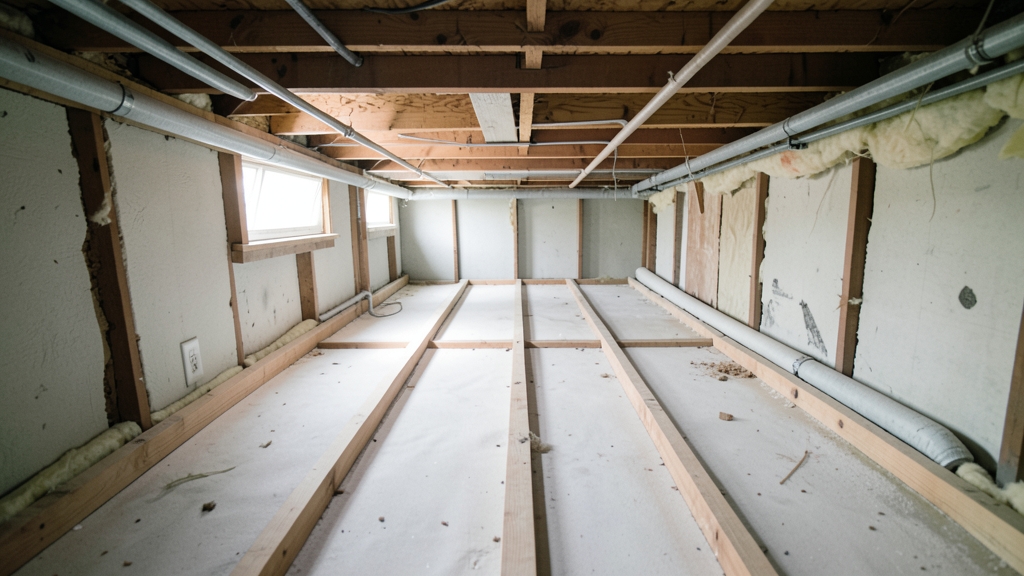
Older homes in neighborhoods like Wollaston or Adams Shore often have less efficient ventilation, trapping humidity inside. Basements and crawl spaces in these areas are particularly prone to moisture buildup from groundwater seepage or poor drainage.
Common Entry Points for Mold Spores in Homes
Spores enter through open windows, doors, or vents, but they also sneak in on shoes, pets, or even groceries. Once inside, they settle on dust, fabrics, or building materials, waiting for moisture to trigger growth.
Leaky roofs, plumbing, or foundation cracks in areas like North Quincy or Squantum provide direct water sources. Even minor condensation around windows or in attics can sustain mold if left unaddressed.
Mold often grows behind walls, under flooring, or in HVAC ducts—areas you can’t see. Musty odors or unexplained allergies are red flags that warrant a professional mold inspection.
How Mold Spreads Through a House
Once a colony forms, it releases more spores into the air, which can spread to other areas via airflow. HVAC systems, in particular, can distribute spores throughout a home, turning a localized issue into a widespread problem.
Porous materials like drywall, carpet, and ceiling tiles absorb moisture and spores, making them prime breeding grounds. In basements or crawl spaces, mold can even grow on concrete if organic dust or debris is present.
Quincy-Specific Risk Factors for Mold
Coastal storms and nor’easters can lead to flooding or water intrusion, especially in low-lying areas near the Neponset River or along the shoreline. Even after the water recedes, residual moisture in walls or subflooring can fuel mold growth for weeks.
Older homes with solid masonry foundations or poor grading may lack proper waterproofing. Without moisture barriers or sump pumps, basements in Milton or Braintree-adjacent properties are at higher risk during wet seasons.
| Risk Factor | Quincy | Braintree/Weymouth | Boston |
|---|---|---|---|
| Proximity to Water | High (coastal, river) | Moderate (inland) | High (harbor, rivers) |
| Older Housing Stock | High (pre-1980s) | High (pre-1970s) | High (historic districts) |
| Basement Flooding Risk | Moderate-High | Moderate | High (back bay, seaport) |
| Humidity Levels | High (coastal) | Moderate | Moderate-High |
Signs Your Home May Have a Mold Problem
Visible mold is the most obvious sign, but it’s often hidden. Look for discoloration on walls, ceilings, or grout—black, green, white, or even pink stains can indicate mold. Peeling paint or warped surfaces also suggest excess moisture.
Unexplained musty odors, especially in basements, attics, or bathrooms, are another clue. Health symptoms like coughing, sneezing, or skin irritation that improve when you’re away from home may also signal mold exposure.
Home test kits can detect mold, but they don’t identify the source or extent of the problem. For accurate results, our team uses air quality testing and thermal imaging to pinpoint hidden moisture and mold.
Preventing Mold Growth in Your Home
Controlling moisture is the key to mold prevention. Use dehumidifiers in basements and crawl spaces, especially during humid months. Aim to keep indoor humidity below 60%, ideally between 30-50%.
Ensure proper ventilation in bathrooms, kitchens, and laundry rooms. Exhaust fans should vent outside, not into attics. Regularly inspect roofs, gutters, and downspouts to prevent water from pooling near your foundation.
Mold Prevention Checklist
- Fix leaks in roofs, pipes, or windows immediately
- Use moisture-resistant materials in basements and bathrooms
- Clean and dry water-damaged areas within 24-48 hours
- Direct water away from your home with proper grading and gutters
- Schedule annual HVAC inspections to prevent condensation buildup
When to Call a Mold Remediation Professional
If you suspect mold but can’t locate the source, or if the affected area is larger than 10 square feet, it’s time to call in experts. Professional remediation ensures spores are safely contained and removed, not just killed with bleach, which can worsen the problem.
For homes in Hingham or other nearby coastal towns, where mold risks are elevated, proactive inspections can save thousands in repairs. Our team also handles commercial mold remediation for businesses in Boston or Quincy’s commercial districts.
Bleach only kills surface mold on non-porous materials. On drywall or wood, it can drive spores deeper into the material, making the problem harder to treat later. Professional remediation addresses the root cause: moisture.
How to Safely Inspect for Mold in Your Home
Follow these steps to conduct a preliminary mold inspection before calling professionals.
- 1Gather Protective Gear
Wear an N95 mask, gloves, and safety goggles to avoid inhaling spores or touching contaminated surfaces.
- 2Check for Visible Signs
Inspect walls, ceilings, floors, and around windows for discoloration, stains, or peeling paint. Pay special attention to basements, attics, and bathrooms.
- 3Follow Your Nose
Musty odors often lead to hidden mold. Trace the smell to its source, even if it means moving furniture or lifting carpet edges.
- 4Look for Moisture Sources
Use a moisture meter or simply feel for dampness on surfaces. Check under sinks, behind appliances, and near pipes for leaks.
- 5Document Findings
Take photos and notes of any suspected mold or water damage. This helps professionals assess the scope of the problem during a formal inspection.
- 6Avoid Disturbing Mold
Do not touch or attempt to clean moldy areas yourself. Disturbing mold can release more spores into the air, worsening the issue.
Frequently Asked Questions
Can mold spores travel between rooms in my Quincy home?
Yes, mold spores are airborne and can move freely through your home via air currents, HVAC systems, or even on people and pets. Containment is critical during remediation to prevent cross-contamination.
Why do basements in Quincy seem more prone to mold?
Basements are naturally damp due to groundwater seepage, poor drainage, or condensation from temperature differences. Many older Quincy homes also lack proper waterproofing or ventilation, exacerbating the issue.
Is black mold more dangerous than other types?
Black mold (Stachybotrys) can produce mycotoxins, which may cause health issues in some individuals. However, all mold types should be treated seriously, as even common molds can trigger allergies or respiratory problems.
How quickly can mold grow after a water leak?
Mold can begin growing within 24 to 48 hours of water exposure, depending on the material and environmental conditions. Immediate water damage restoration is essential to prevent mold colonization.
Do I need mold testing if I can already see mold?
Visible mold confirms a problem, but testing helps identify the type of mold and the extent of spores in the air. This information is crucial for developing an effective remediation plan, especially in larger or recurring infestations.
Can mold return after remediation?
Yes, if the underlying moisture issue isn’t resolved. Professional remediation includes identifying and fixing the source of water intrusion, but homeowners must maintain proper ventilation and humidity control to prevent recurrence.