How Humidity in Quincy Fuels Mold Growth and What You Can Do About It
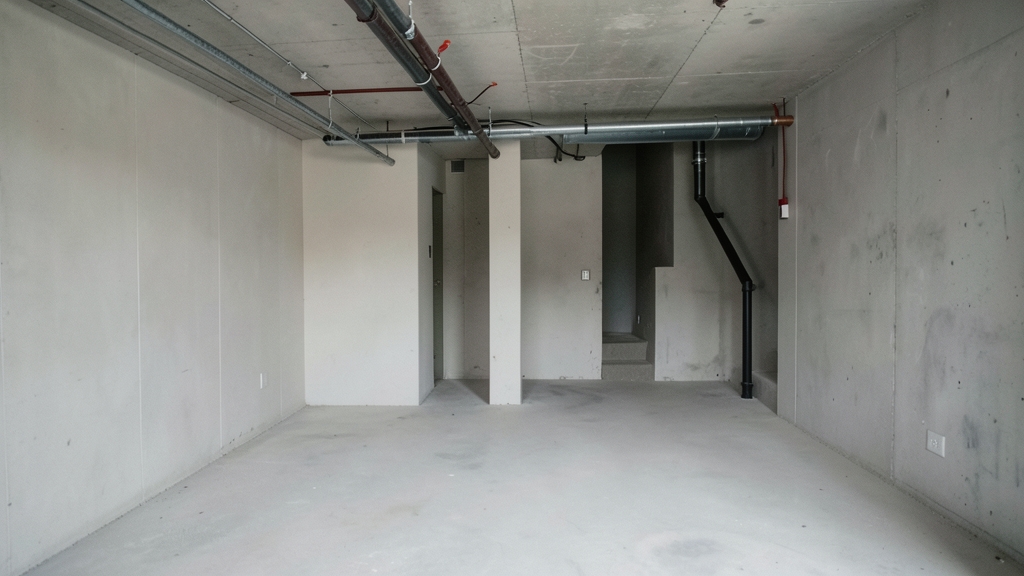
Quincy’s coastal climate keeps humidity high for much of the year, creating ideal conditions for mold spores to take hold. Left unchecked, hidden moisture in basements, attics, or crawl spaces can escalate into widespread infestations that compromise air quality and structural integrity. We’ve seen it firsthand—and we know how to stop it.
Why Quincy’s Humidity Is a Mold Magnet
Our proximity to the Atlantic means consistent moisture in the air, especially in spring and summer. When that humid air meets cooler surfaces—like basement walls or uninsulated attic sheathing—condensation forms, feeding mold spores already present in dust.
Older homes in neighborhoods like Wollaston or Adams Shore often lack modern vapor barriers, making them even more susceptible. Even newer builds in West Quincy can trap moisture if ventilation is poor.
The Hidden Costs of Unchecked Mold Growth
Mold doesn’t just stain walls or smell musty. Prolonged exposure to certain strains, like Stachybotrys (black mold), can trigger respiratory issues, allergies, or even neurological symptoms in sensitive individuals.
Structurally, mold decomposes wood, drywall, and insulation. In severe cases, we’ve replaced entire subfloors in Milton or Braintree homes where moisture went unaddressed for years.
Mold can spread within 24–48 hours of water exposure. If you see or smell it, don’t wait for a ‘convenient’ time to act.
Humidity Thresholds: When Does Mold Thrive?
Mold spores germinate when relative humidity (RH) exceeds 60% for extended periods. Above 70% RH, growth accelerates rapidly. Quincy’s summer RH often hovers near 80%, especially after rain.
Even in winter, improperly vented bathrooms or kitchens in Weymouth or Hingham homes can create localized high-RH pockets. Basements are notorious for this, as concrete floors wick groundwater moisture upward.
| Relative Humidity (%) | Mold Growth Risk | Recommended Action |
|---|---|---|
| Below 50% | Minimal | Maintain with dehumidifiers or ventilation |
| 50–60% | Low to Moderate | Monitor; improve airflow |
| 60–70% | High | Address moisture sources immediately |
| Above 70% | Severe | Professional remediation likely needed |
Common Quincy Hotspots for Mold
Basements top the list, especially in older Quincy homes with stone foundations. Crawl spaces in raised ranches near the Neponset River are also high-risk due to poor airflow and proximity to the water table.
Attics often harbor mold when ridge vents are clogged or bathroom fans exhaust into the space. We’ve remediated numerous attics in Braintree where ice dams led to chronic leaks, feeding mold on plywood decking.
DIY vs. Professional Mold Remediation: What’s the Difference?
For small, surface-level mold (under 10 sq. ft.), a homeowner can often clean with EPA-approved solutions. But larger infestations—especially in HVAC systems or behind walls—require professional containment, HEPA filtration, and targeted drying.
In Quincy, we often see DIY attempts that miss hidden colonies in wall cavities or ductwork, leading to recurrence. Commercial spaces in Boston or Weymouth demand even stricter protocols to avoid liability and downtime.
Mold testing and air quality assessments identify spore types and concentrations, guiding the right remediation approach. Never assume it’s ‘just mildew.’
Step-by-Step: How We Tackle Humidity-Driven Mold in Quincy
Every job starts with a thorough inspection, using moisture meters and thermal imaging to locate hidden water sources. We don’t just treat the mold—we fix the root cause, whether it’s a leaky pipe, poor grading, or inadequate ventilation.
Containment is critical. We use negative air pressure and plastic sheeting to prevent spores from spreading to clean areas during removal. HEPA vacuums and air scrubbers ensure airborne particles are captured, not just redistributed.
Preventing Mold Recurrence After Remediation
The key is moisture control. In basements, we often recommend interior French drains or sump pumps paired with dehumidifiers. For attics, proper insulation and venting are non-negotiable.
In crawl spaces, encapsulation with a vapor barrier and conditioned air supply can transform a damp, moldy zone into a dry, usable area. We’ve seen this work wonders in homes from Hingham to Milton.
Mold Prevention Checklist
- Install and maintain dehumidifiers in basements/crawl spaces (target: <50% RH)
- Use exhaust fans in bathrooms and kitchens; vent them outside, not into attics
- Inspect and clean gutters and downspouts to direct water away from foundations
- Seal cracks in foundations and around windows to block moisture intrusion
- Schedule annual HVAC maintenance to prevent ductwork condensation
When to Call a Quincy Mold Remediation Expert
If you see visible mold covering more than a few square feet, smell a persistent musty odor, or have experienced water damage (even if it ‘dried out’), it’s time for a professional assessment. The same goes for unexplained health symptoms that improve when you’re away from home.
For commercial properties, proactive air quality testing can prevent costly shutdowns. We’ve helped businesses in Braintree and Boston avoid regulatory fines by addressing mold before it becomes a liability.
How to Reduce Humidity and Prevent Mold in Your Quincy Home
Controlling moisture is the most effective way to starve mold before it starts.
- 1Identify Problem Areas
Use a hygrometer to measure humidity in basements, attics, and crawl spaces. Look for condensation on windows, water stains, or peeling paint.
- 2Improve Ventilation
Run bathroom and kitchen exhaust fans for at least 15–20 minutes after use. Open windows when outdoor humidity is lower than indoor levels.
- 3Deploy Dehumidifiers
Place units in high-risk areas and empty them regularly. For whole-home solutions, consider a ducted dehumidifier integrated with your HVAC system.
- 4Seal and Insulate
Apply vapor barriers in crawl spaces and insulate cold surfaces (like basement walls) to prevent condensation. Use moisture-resistant materials like closed-cell foam.
- 5Address Water Intrusion
Fix leaks in roofs, pipes, or foundations immediately. Ensure grading slopes away from your home’s foundation to prevent pooling.
- 6Monitor and Maintain
Check humidity levels weekly and recalibrate your approach as seasons change. Replace HVAC filters every 1–3 months to prevent spore circulation.
Frequently Asked Questions
How do I know if my Quincy home has a mold problem?
Visible mold, musty odors, or water damage are clear signs. Less obvious indicators include increased allergy symptoms, peeling wallpaper, or warped wood. A professional mold inspection with air and surface testing can confirm the presence and type of mold.
Can I just paint over mold to fix it?
No. Painting over mold without addressing the underlying moisture issue is a temporary cover-up. The mold will continue to grow beneath the paint, eventually causing it to bubble or peel. Proper remediation requires cleaning, drying, and fixing the source of moisture.
Why is mold more common in Quincy basements?
Quincy’s clay soil and high water table contribute to basement moisture. Older homes often lack proper drainage or vapor barriers, allowing groundwater to seep through walls. Poor ventilation traps humid air, creating a perfect environment for mold.
Is black mold in my Quincy home dangerous?
Black mold (Stachybotrys) can produce mycotoxins that may cause health issues, especially for those with respiratory conditions or weakened immune systems. However, not all black mold is Stachybotrys, and not all strains are toxic. Testing is the only way to know for sure.
How long does mold remediation take in a typical Quincy home?
The timeline depends on the extent of the infestation and the moisture source. Small, contained areas may take 1–3 days. Larger or hidden mold (e.g., in walls or ductwork) can require 1–2 weeks, including drying time and repairs. We provide a detailed estimate after inspection.
Do I need to leave my home during mold remediation?
For small, contained projects, you may not need to relocate. However, for extensive infestations—especially those involving toxic mold or large areas—we recommend temporary relocation to avoid exposure to disturbed spores. We’ll advise you based on the scope of work.