The Hidden Dangers of Mold Spores and Why Quincy Homeowners Need Professionals
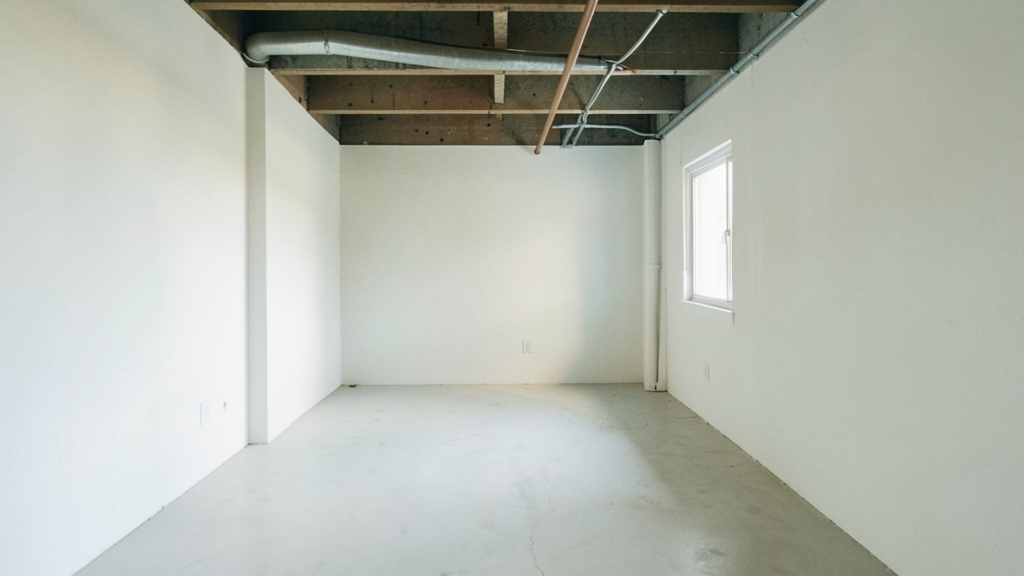
Mold spores are invisible invaders, thriving in Quincy’s humid summers and damp basements. Left unchecked, they compromise air quality, damage structures, and pose serious health risks. Professional remediation isn’t just cleanup—it’s protection for your home and family.
Why Mold Spores Are a Silent Threat in Coastal Massachusetts
Quincy’s proximity to the coast means higher humidity, especially in basements and crawl spaces. Spores settle on organic materials—drywall, wood, insulation—and colonize within 24–48 hours of moisture exposure.
Unlike visible mold, airborne spores spread through HVAC systems, contaminating entire homes. Even dead spores can trigger allergic reactions, making detection and removal critical.
Health Risks You Can’t Ignore
Exposure to mold spores can cause respiratory issues, skin irritation, and chronic sinusitis. High-risk groups—children, the elderly, and those with immune disorders—face severe complications like asthma attacks or fungal infections.
Mycotoxins produced by certain molds (e.g., Stachybotrys, or ‘black mold’) may lead to neurological symptoms or long-term health effects. Only professional testing identifies these hazards.
Standing water or leaks in Braintree, Milton, or Weymouth homes can spark mold growth in under two days. Delaying remediation worsens contamination and repair costs.
DIY vs. Professional Mold Remediation: What’s the Difference?
Surface cleaning with bleach or store-bought sprays only removes visible mold. Spores embedded in porous materials like drywall or carpet require HEPA vacuuming, antimicrobial treatments, and often material removal.
Professionals use containment barriers and negative air pressure to prevent spore spread during removal. We also address the root cause—moisture—through repairs, dehumidifiers, or crawl space encapsulation.
| Factor | DIY Approach | Professional Approach |
|---|---|---|
| Safety | Limited PPE; risk of exposure | Full PPE, containment, air filtration |
| Effectiveness | Surface-level; spores often remain | Deep cleaning, HEPA filtration, material removal |
| Moisture Control | Temporary fixes (e.g., fans) | Permanent solutions (e.g., vapor barriers, ventilation) |
| Long-Term Prevention | High recurrence risk | Warrantied solutions with follow-up testing |
| Scope | Small, isolated areas | Whole-home or commercial spaces |
The Mold Remediation Process: What to Expect
Every project begins with a thorough mold inspection and air quality testing. We identify the species, spore count, and moisture sources—whether it’s a leaky roof in Hingham or poor attic ventilation.
Containment is set up to isolate the affected area, followed by HEPA air scrubbing to capture airborne spores. Damaged materials are safely removed, and surfaces are treated with antimicrobial solutions.
Common Mold Hotspots in Quincy Homes
Basements and crawl spaces top the list due to poor drainage or foundation cracks. Attics suffer from inadequate ventilation, trapping moisture from daily activities like cooking or showering.
Bathrooms, kitchens, and laundry rooms are prone to mold behind walls or under flooring. Even HVAC ducts can harbor spores, circulating them throughout the home.
Mold-Prone Areas to Inspect Regularly
- Basements and crawl spaces (check for standing water or musty odors)
- Attics (look for water stains or damp insulation)
- Bathrooms (inspect grout, caulk, and under sinks)
- Kitchens (behind appliances and under flooring)
- HVAC systems (replace filters; schedule duct cleaning)
- Windowsills and door frames (condensation buildup)
How Climate and Seasonality Affect Mold Growth
Quincy’s cold winters and wet springs create a perfect storm for mold. Melting snow or heavy rains can lead to water intrusion, while indoor heating reduces ventilation, trapping moisture.
Summer humidity spikes accelerate spore growth, especially in poorly ventilated areas. Fall’s leaf debris can clog gutters, causing overflow that seeps into basements or foundations.
Preventing Mold: Proactive Steps for Homeowners
Control humidity with dehumidifiers, especially in basements and bathrooms. Aim for 30–50% relative humidity year-round. Ensure proper ventilation in attics, kitchens, and laundry areas.
Inspect roofs, gutters, and downspouts annually. Repair leaks immediately and use waterproofing sealants in vulnerable areas. Consider crawl space encapsulation for long-term protection.
For renovations, opt for mold-resistant drywall, paint, or insulation—especially in moisture-prone areas like basements or bathrooms. These products inhibit growth even if exposed to water.
When to Call a Professional Mold Remediation Team
If mold covers more than 10 square feet, or if it’s in your HVAC system, professional remediation is non-negotiable. The same applies to toxic black mold or recurring growth after DIY attempts.
Homeowners in Quincy, Braintree, or Milton should also seek experts for water damage restoration or if mold is suspected but not visible. Air quality testing provides peace of mind and a clear action plan.
How to Respond to a Mold Outbreak Before Professionals Arrive
While you wait for our team, take these steps to minimize damage and exposure.
- 1Isolate the Area
Close doors and windows to the affected space. Turn off HVAC systems to prevent spore spread through ducts.
- 2Wear Protective Gear
Use an N95 mask, gloves, and goggles if you must enter the area. Avoid disturbing moldy materials to prevent releasing spores.
- 3Contain Moisture
Use a dehumidifier or fan (vented outdoors) to dry the area if safe. Do not use fans if mold is already airborne.
- 4Remove Standing Water
If the source is a leak or flood, extract water with a wet/dry vacuum. Avoid touching contaminated water without protection.
- 5Avoid Bleach
Bleach only bleaches surface mold and doesn’t kill spores in porous materials. Wait for professional antimicrobial treatments.
- 6Document the Damage
Take photos or videos for insurance claims. Note the extent of mold and any water sources to share with our team.
Frequently Asked Questions
How do I know if my Quincy home has a mold problem?
Signs include musty odors, visible mold growth (black, green, or white spots), water stains, or health symptoms like coughing or itchy eyes. A professional mold inspection with air quality testing confirms the presence and type of mold.
Is black mold more dangerous than other types?
Black mold (Stachybotrys) produces mycotoxins that can cause severe health effects, but all molds pose risks. The key is addressing any mold growth promptly, regardless of color or species.
Can mold return after remediation?
Yes, if the moisture source isn’t fixed. Professional remediation includes identifying and resolving the root cause—whether it’s a leak, poor ventilation, or high humidity—to prevent recurrence.
Do I need to leave my home during mold remediation?
For small, contained projects, you may stay. For large-scale or toxic mold removal, temporary relocation is recommended, especially for sensitive individuals. Our team will advise based on the scope.
Does homeowners insurance cover mold remediation in Massachusetts?
Coverage varies by policy and cause. Sudden water damage (e.g., burst pipes) is often covered, but gradual issues (e.g., humidity or neglect) may not be. Review your policy and request a quote for remediation costs.
How long does mold remediation take for a typical Quincy home?
Timelines depend on the extent of contamination and moisture damage. Small jobs may take 1–2 days, while large or complex projects (e.g., crawl space or attic remediation) can take a week or more. We provide a detailed estimate after inspection.