From Remediation to Verification: The Full Mold Remediation Process for Quincy Properties
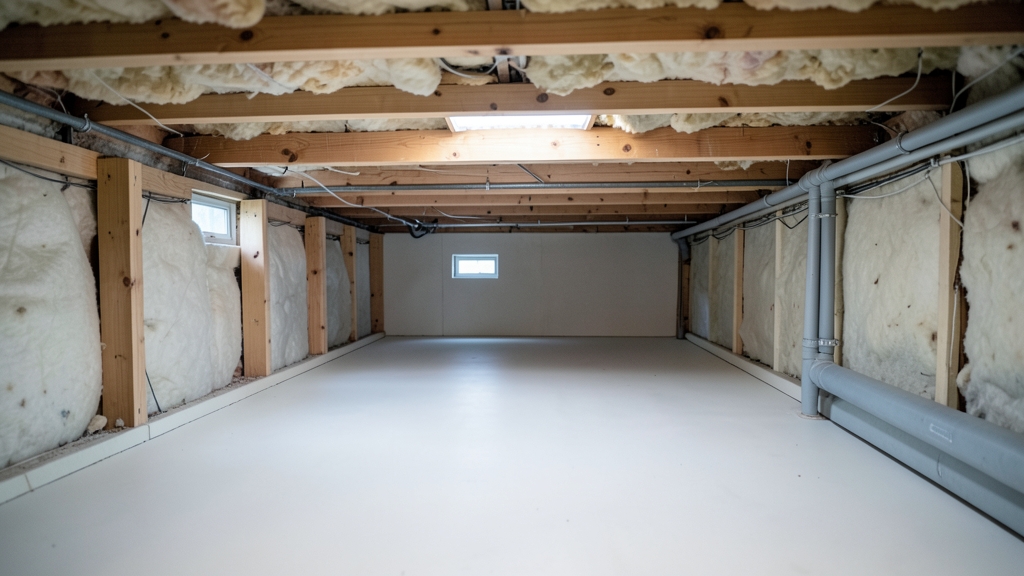
Mold doesn’t just disappear after a quick scrub. For Quincy properties, a full remediation process—from inspection to verification—is the only way to ensure a safe, lasting solution. Our team follows industry standards to address the root cause and confirm the problem is truly resolved.
Why Quincy’s Climate Demands a Thorough Mold Remediation Process
Coastal humidity, seasonal storms, and older housing stock in Quincy create ideal conditions for mold growth. Basements in Braintree or Milton often face similar challenges, with moisture seeping through foundation cracks or poor drainage.
Attics in Weymouth or Hingham can trap heat and condensation, leading to hidden mold colonies. Without addressing the moisture source, remediation efforts are temporary at best.
Step 1: Professional Mold Inspection and Testing
We begin with a visual assessment using moisture meters and thermal imaging to detect hidden water intrusion. This step is critical in areas like crawl spaces or behind drywall, where mold thrives undetected.
Air quality testing and surface sampling identify mold types and spore counts. For commercial properties in Boston or Quincy, this data helps tailor the remediation plan to the specific contamination level.
Mold can grow inside walls, under flooring, or in HVAC systems. Professional testing uncovers what a visual inspection might miss.
Step 2: Containment and Air Filtration
To prevent spores from spreading during remediation, we establish containment barriers using plastic sheeting and negative air pressure. This is especially important in multi-unit buildings or shared spaces in Quincy.
HEPA air scrubbers run continuously to capture airborne spores. For large-scale projects, like commercial mold remediation, we may deploy multiple units to maintain clean air throughout the process.
Step 3: Mold Removal and Cleaning Protocols
Non-porous surfaces like glass or metal are cleaned with antimicrobial solutions. Porous materials—drywall, insulation, or carpet—often require removal if heavily contaminated.
We use HEPA vacuums to remove residual spores from surfaces after cleaning. In basements or crawl spaces, this step is paired with moisture control measures to prevent recurrence.
| Material | Remediation Method | Notes |
|---|---|---|
| Non-porous (glass, metal, tile) | Antimicrobial cleaning + HEPA vacuuming | Salvageable if contamination is surface-level |
| Semi-porous (wood, concrete) | Sandblasting or wire brushing + sealing | May require encapsulation if mold penetrates deeply |
| Porous (drywall, insulation, carpet) | Removal and replacement | Cannot be fully decontaminated if saturated |
Step 4: Addressing the Moisture Source
Mold remediation without moisture control is a band-aid solution. We identify and fix leaks, improve ventilation, or recommend dehumidifiers for basements and crawl spaces in Quincy.
For attic mold, we often collaborate with local roofers to repair leaks or add soffit vents. In water damage restoration cases, we ensure the area is fully dried before rebuilding.
Ignoring the root cause leads to recurrence within weeks. In Quincy’s humid summers, this step is non-negotiable.
Step 5: Post-Remediation Verification (PRV)
After remediation, we conduct a final inspection and retest air and surfaces. This step confirms spore levels are within normal ranges, as defined by EPA or IICRC S520 standards.
For peace of mind, we offer ERMI dust testing or clearance testing for commercial properties. This is especially important for landlords or property managers in Boston or Quincy.
When to Consider Commercial Mold Remediation
Schools, offices, and healthcare facilities in Quincy require specialized protocols. We work after-hours to minimize disruption and ensure compliance with OSHA and local regulations.
Large-scale projects often involve HVAC cleaning and ductwork remediation to prevent spores from circulating. For businesses in Braintree or Milton, this step protects employees and customers alike.
Mold Prevention: Long-Term Strategies for Quincy Properties
Regular inspections, especially after water damage or flooding, are key. We recommend annual checks for basements, attics, and crawl spaces in older homes.
Installing dehumidifiers in basements and improving attic ventilation can drastically reduce risk. For new constructions in Weymouth or Hingham, moisture barriers during building are a smart investment.
Mold Prevention Checklist
- Monitor humidity levels (keep below 50%)
- Inspect pipes, roofs, and windows for leaks annually
- Use exhaust fans in bathrooms and kitchens
- Ensure proper grading around the foundation to divert water
- Clean and dry water-damaged areas within 24-48 hours
How to Prepare Your Quincy Property for Mold Remediation
A little prep work ensures a smoother, more effective remediation process.
- 1Clear the Area
Remove furniture, personal items, and pets from the affected space. This allows our team unobstructed access and protects your belongings.
- 2Turn Off HVAC Systems
Shut down heating or cooling to prevent spores from spreading through ductwork during the process.
- 3Identify Moisture Sources
Note any leaks, condensation, or water stains you’ve observed. Share this info with our team to speed up diagnosis.
- 4Arrange Temporary Relocation (If Needed)
For extensive contamination, especially in living areas, plan to stay elsewhere during remediation. Safety first.
- 5Review the Remediation Plan
Our team will walk you through the scope of work, containment areas, and estimated timeline. Ask questions—we’re here to help.
Frequently Asked Questions
How long does the full mold remediation process take in Quincy?
Timelines vary based on the size of the affected area, mold type, and moisture source. A small basement job may take 1-3 days, while a commercial project or whole-home remediation can span a week or more. We provide a detailed estimate after inspection.
Is mold testing required before remediation?
While not always legally required, professional testing is highly recommended. It identifies hidden mold, determines spore types, and provides a baseline for post-remediation verification. Without testing, you risk incomplete remediation.
Can I stay in my home during mold remediation?
For minor, contained issues (e.g., a small bathroom patch), you may be able to stay. However, for large or toxic mold infestations—common in basements or attics—we advise temporary relocation. Containment barriers and air scrubbers minimize exposure, but safety is our priority.
What’s the difference between mold removal and mold remediation?
Mold removal refers to physically eliminating mold from surfaces. Remediation is a comprehensive process that includes removal, cleaning, moisture control, and verification to prevent recurrence. In Quincy’s climate, remediation is the only long-term solution.
Do you handle water damage restoration as part of mold remediation?
Yes. Since water damage is the leading cause of mold, we often combine services. Our team addresses the water intrusion first, dries the area thoroughly, then proceeds with mold remediation. This integrated approach is common for properties in Milton or Braintree after flooding or leaks.
How do I know if mold remediation was successful?
Post-remediation verification (PRV) is the only way to confirm success. We retest air and surfaces to ensure spore levels are normal. You’ll receive a report with the results—this is your proof the problem is resolved.