Eco-Friendly Mold Remediation Options for Environmentally Conscious Quincy Residents
Mold doesn’t just damage your home—it can harm your health and the environment if not handled properly. Our team specializes in eco-friendly mold remediation that prioritizes safety, sustainability, and long-term prevention for Quincy homeowners.
Why Eco-Friendly Mold Remediation Matters
Traditional mold removal often relies on harsh chemicals like bleach, which can release VOCs and leave behind toxic residues. Eco-friendly methods eliminate mold without compromising indoor air quality or the planet.
In coastal areas like Quincy, humidity and moisture from the Atlantic can accelerate mold growth. Green solutions address the root cause—excess moisture—while minimizing environmental impact.
Natural Mold Remediation Products We Trust
Hydrogen peroxide (3-10%) is a powerful, non-toxic oxidizer that kills mold spores on contact without harmful fumes. It’s biodegradable and safe for most surfaces, including drywall and wood.
Tea tree oil, diluted in water, is a natural antifungal that disrupts mold at the cellular level. While effective, it’s best for small, non-porous areas due to its strong scent and cost.
White vinegar (5% acetic acid) is a mild but reliable option for surface mold. It’s non-toxic, affordable, and leaves no residue, though it may require multiple applications for stubborn growth.
| Product | Effectiveness | Best For | Limitations |
|---|---|---|---|
| Hydrogen Peroxide | High | Porous & non-porous surfaces | Can bleach fabrics; requires ventilation |
| Tea Tree Oil | Medium-High | Non-porous surfaces, small areas | Strong odor; expensive for large jobs |
| White Vinegar | Medium | Surface mold, prevention | Slow-acting; may need repeat applications |
| Baking Soda | Medium | Odor control, mild mold | Less effective on severe infestations |
Advanced Green Technologies for Mold Removal
HEPA air scrubbers capture mold spores during remediation, preventing cross-contamination. These systems use no chemicals and are essential for large or hidden mold issues in attics or crawl spaces.
Encapsulation with eco-friendly sealants traps residual mold spores in basements or crawl spaces, preventing regrowth without toxic additives. This is often paired with moisture barriers for long-term protection.
UV-C light treatment is a chemical-free way to kill mold and bacteria in HVAC systems or hard-to-reach areas. It’s energy-efficient but requires professional application for safety.
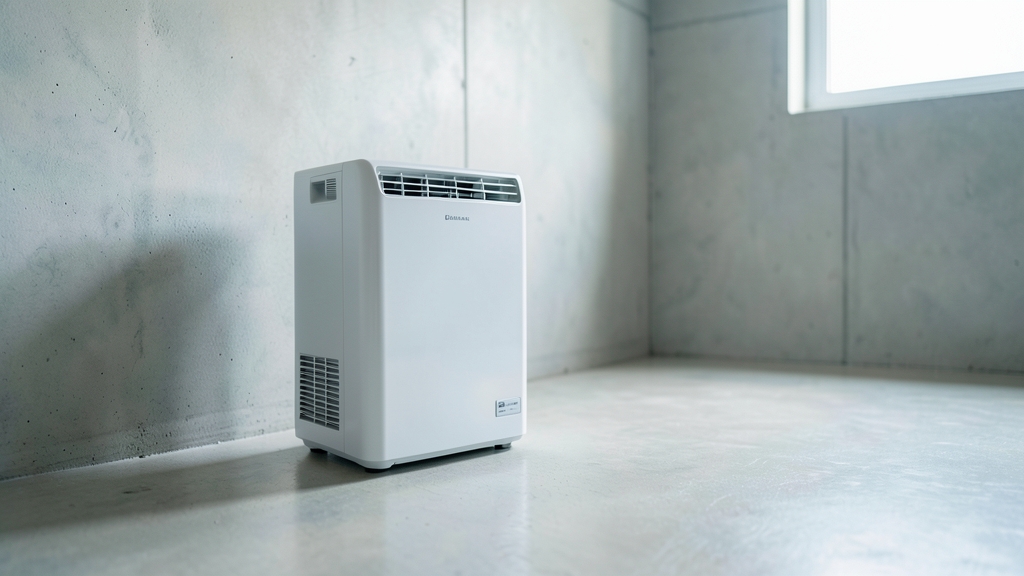
Basements in older Quincy neighborhoods often lack proper ventilation. Pairing dehumidifiers with eco-friendly remediation prevents recurrence.
The Role of Moisture Control in Prevention
Mold thrives in humidity above 60%. Dehumidifiers, especially in basements and crawl spaces, are a first line of defense. Energy-efficient models reduce environmental impact while protecting your home.
Improving airflow with attic vents or exhaust fans in bathrooms and kitchens reduces moisture buildup. In Quincy’s humid summers, this is critical for preventing mold regrowth after remediation.
Sealing leaks in roofs, windows, or pipes stops water intrusion at the source. Our team often finds hidden moisture in areas like Weymouth or Braintree due to similar coastal climate challenges.
When DIY Isn’t Enough: Professional Green Remediation
Surface mold on tile or glass can often be tackled with natural cleaners. But for porous materials like drywall or insulation, professional remediation ensures spores are fully removed, not just masked.
Hidden mold in walls, ducts, or under flooring requires specialized equipment like thermal imaging or borescopes. Our team uses these tools to locate and treat mold without unnecessary demolition.
Commercial properties or large residential infestations in Boston or Hingham often need containment barriers and negative air pressure to prevent spore spread. Eco-friendly methods scale safely for these jobs.
Never mix vinegar with hydrogen peroxide or bleach—it creates toxic gases. Stick to one product at a time for safety.
Eco-Friendly Remediation for Specific Areas
Attic mold often stems from poor ventilation or roof leaks. We use eco-friendly encapsulation and improved airflow to treat and prevent future growth in Quincy’s older homes.
Crawl spaces and basements are high-risk zones due to humidity and limited airflow. Moisture barriers, vapor retarders, and green sealants create a long-term defense against mold.
Bathrooms and kitchens benefit from natural cleaners and exhaust fans. For persistent issues, we may recommend replacing caulk or grout with mold-resistant, eco-friendly alternatives.
Signs You Need Professional Mold Remediation
- Mold covers an area larger than 10 square feet
- You detect a musty odor but can’t see the source
- Mold returns after DIY cleaning
- You or family members experience respiratory issues indoors
- Mold is in HVAC systems, ducts, or behind walls
Sustainability Beyond Remediation
Choosing eco-friendly materials during repairs—like low-VOC paints or recycled insulation—reduces future mold risks and environmental impact.
Regular air quality testing helps catch mold or moisture issues early. This is especially useful in Quincy’s seasonal climate shifts, from damp springs to dry winters.
Educating homeowners on moisture control and ventilation empowers them to prevent mold long-term. Small changes, like using exhaust fans or monitoring humidity, make a big difference.
How to Safely Clean Small Mold Patches with Natural Products
For minor mold issues on non-porous surfaces, try this eco-friendly approach.
- 1Ventilate the Area
Open windows and use fans to ensure proper airflow. Wear gloves and a mask to avoid inhaling spores.
- 2Prepare Your Solution
Mix equal parts white vinegar and water, or use 3% hydrogen peroxide undiluted. For tea tree oil, add 1 tsp to 1 cup of water.
- 3Apply and Let Sit
Spray the solution onto the moldy surface and let it sit for 10–15 minutes. Do not rinse yet—this gives the product time to kill spores.
- 4Scrub and Wipe
Use a stiff brush to scrub the area, then wipe with a damp cloth. For stubborn mold, repeat the application.
- 5Dry Thoroughly
Use a clean towel or fan to dry the area completely. Moisture left behind can allow mold to return.
- 6Monitor for Regrowth
Check the area over the next few days. If mold returns, the issue may be deeper—consider a professional mold inspection.
Frequently Asked Questions
Are eco-friendly mold remediation methods as effective as chemical treatments?
Yes, when applied correctly. Natural products like hydrogen peroxide or tea tree oil kill mold spores at the root, but they may require more time or repeat applications compared to harsh chemicals. For severe infestations, professionals combine green methods with advanced equipment for thorough results.
Can I use bleach for mold remediation if I dilute it?
We don’t recommend it. Bleach only kills surface mold and leaves behind water, which can feed deeper spores. It also releases harmful fumes and VOCs. Eco-friendly alternatives are safer for your home and the environment.
How do I know if mold in my Quincy home is toxic?
Not all mold is toxic, but some species like Stachybotrys (black mold) can produce mycotoxins. The only way to confirm is through professional mold testing and air quality testing. If you see dark, slimy mold or experience health symptoms, it’s best to request a quote for an inspection.
What’s the most common cause of mold in Quincy homes?
Excess moisture is the primary culprit. Quincy’s coastal climate, combined with older homes in neighborhoods like Wollaston or Adams Shore, often leads to poor ventilation, leaks, or high humidity. Basements, attics, and crawl spaces are particularly vulnerable.
Do eco-friendly mold remediation methods cost more?
The cost depends on the scope of the project, not the method. Factors like the size of the infestation, the materials affected, and the need for moisture control drive pricing. Eco-friendly products may have a slightly higher upfront cost, but they often prevent recurrence, saving money long-term. Request a quote for an accurate estimate.
Can mold remediation be done in one day?
For small, contained areas, yes. But larger infestations—especially in attics, basements, or behind walls—often require 2-5 days for proper containment, treatment, and drying. Rushing the process can lead to incomplete removal and regrowth.