Best Dehumidifiers for Mold Prevention in Quincy Homes
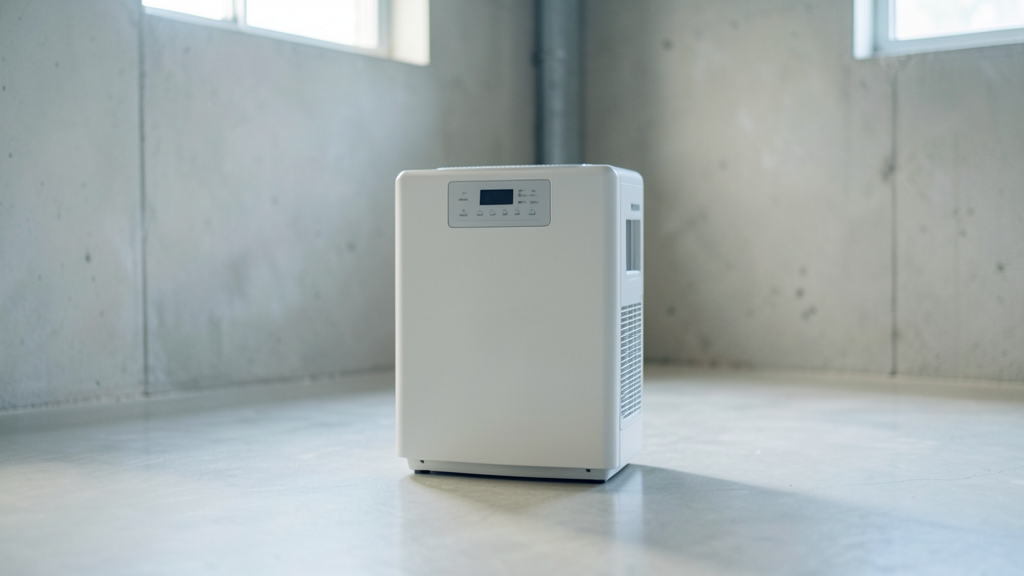
Quincy’s coastal climate and older homes make humidity control a year-round battle. The right dehumidifier can slash mold risk by keeping relative humidity below 50%. We’ve tested and remediated enough local basements and attics to know what actually works.
Why Dehumidifiers Are Critical for Mold Prevention
Mold spores thrive at 60%+ relative humidity. Dehumidifiers pull excess moisture from the air, starving spores before they colonize walls, floors, or belongings.
In Quincy, damp basements and poorly ventilated attics are prime targets. Even minor leaks or condensation can feed hidden growth behind drywall or under flooring.
Types of Dehumidifiers: What Quincy Homeowners Need to Know
Refrigerant (compressor) models are the most common. They work like mini AC units, cooling coils to condense moisture. Best for temps above 65°F—ideal for most finished basements and living spaces.
| Type | Best For | Temp Range | Pros | Cons |
|---|---|---|---|---|
| Refrigerant (Compressor) | Basements, living areas | 65°F–90°F | Energy-efficient, widely available | Ineffective below 65°F |
| Desiccant (Absorbent) | Crawl spaces, unheated areas | Below 65°F | Works in cold temps, quiet | Higher energy use, shorter lifespan |
| Whole-House | Large homes, integrated HVAC | Varies by system | Handles entire home, low maintenance | High upfront cost, professional install |
Sizing Your Dehumidifier: Capacity Matters
Capacity is measured in pints of moisture removed per 24 hours. A 20–30 pint unit suits a damp 1,000 sq ft basement. For severe moisture or larger spaces, go 35–50 pints.
In Quincy’s humid summers, oversizing slightly prevents the unit from running nonstop. Check the AHAM (Association of Home Appliance Manufacturers) rating for accurate comparisons.
For crawl spaces or attics, add 10–20% capacity. These areas often have higher humidity and poorer airflow.
Key Features to Prioritize for Mold Control
Auto-defrost prevents coil icing in cooler basements—a must for Quincy’s spring and fall swings. Without it, the unit may shut off prematurely.
A built-in hygrostat lets you set and maintain a target humidity (aim for 45–50%). Models with digital displays and alerts for full tanks or filter changes simplify upkeep.
HEPA or antimicrobial filters capture mold spores and dust, improving air quality. Look for washable filters to reduce ongoing costs.
Drainage Options: Avoid the Bucket Hassle
Manual emptying is impractical for mold prevention—you need continuous operation. A gravity drain hose directs water to a floor drain or sump pump.
For basements without drains, a condensate pump (built-in or external) pushes water upward to a sink or outdoors. Essential in Quincy’s older homes with limited drainage access.
Never let a dehumidifier drain into a sewer line or septic system without checking local codes. Quincy has strict rules to prevent overload.
Placement and Maintenance for Maximum Effect
Position the unit centrally in the problem area, at least 6–12 inches from walls for airflow. In basements, elevate it on a shelf or platform to avoid floor condensation.
Empty and clean the tank weekly, even with a drain hose. Wipe coils and filters monthly to prevent mold growth inside the unit itself.
Monthly Dehumidifier Maintenance
- Clean or replace the air filter
- Inspect and clean the coils
- Check drain hose for clogs or leaks
- Verify hygrostat accuracy with a separate hygrometer
- Wipe down the exterior and vents
Dehumidifiers vs. Other Mold Prevention Tactics
Dehumidifiers are just one tool. Pair them with exhaust fans in bathrooms and kitchens, and ensure proper attic and crawl space ventilation.
For persistent issues, we often recommend a professional mold inspection and air quality testing. Hidden leaks or poor vapor barriers in basements or crawl spaces may require targeted remediation.
When to Call a Quincy Mold Remediation Pro
If you see visible mold, smell musty odors, or notice peeling paint or warped wood, a dehumidifier alone won’t solve the problem. Existing colonies need professional removal and the source of moisture must be fixed.
Our team serves Quincy, Braintree, Milton, and Weymouth with mold inspection, testing, and remediation—including basement, attic, and crawl space projects. Water damage restoration may also be needed if leaks or flooding are involved.
Older Quincy homes with fieldstone foundations or poor grading often need subfloor vapor barriers or French drains alongside dehumidifiers.
How to Choose the Right Dehumidifier for Your Quincy Home
Follow these steps to select a unit that effectively prevents mold growth.
- 1Measure the Space
Calculate the square footage of the area you need to dehumidify. Include adjacent spaces if humidity spreads.
- 2Assess the Moisture Level
Use a hygrometer to check current humidity. Levels above 60% or signs of condensation mean you need a higher-capacity unit.
- 3Pick the Right Type
Choose refrigerant for warm areas, desiccant for cold spaces like crawl spaces, or whole-house if you have ductwork.
- 4Check Drainage Options
Ensure you have a drain or can install a condensate pump. Avoid manual emptying for long-term mold prevention.
- 5Compare Features
Prioritize auto-defrost, a hygrostat, and HEPA filtration. Look for energy-efficient models to save on operating costs.
- 6Plan for Maintenance
Place the unit where you can easily access it for cleaning and filter changes. Keep a spare filter on hand.
Frequently Asked Questions
What humidity level prevents mold growth in Quincy basements?
Keep relative humidity between 30–50% to inhibit mold. Below 50% is ideal, but don’t go under 30%—it can damage wood and cause static. Use a hygrometer to monitor.
Can a dehumidifier remove existing mold?
No. Dehumidifiers only prevent future growth by controlling moisture. Existing mold requires professional remediation to safely remove spores and contaminated materials.
How long should I run my dehumidifier in Quincy’s humid summers?
Run it continuously during high-humidity months. Set the hygrostat to 45–50% and let the unit cycle on and off as needed. Energy-efficient models won’t spike your bill significantly.
Are desiccant dehumidifiers better for Quincy attics?
Yes, if your attic is unheated. Desiccant models work in cooler temps (below 65°F), making them ideal for attics, crawl spaces, and garages where refrigerant units struggle.
What’s the lifespan of a dehumidifier used for mold prevention?
With proper maintenance, a quality unit lasts 5–10 years. Refrigerant models typically outlast desiccant ones. Replace filters annually and clean coils to maximize longevity.
Do I need a dehumidifier if I have a sump pump in my Quincy basement?
Yes. Sump pumps handle groundwater, but they don’t control airborne moisture. Dehumidifiers address humidity from leaks, condensation, and poor ventilation—key drivers of mold.