How Air Quality Testing Guides Effective Mold Remediation in Quincy
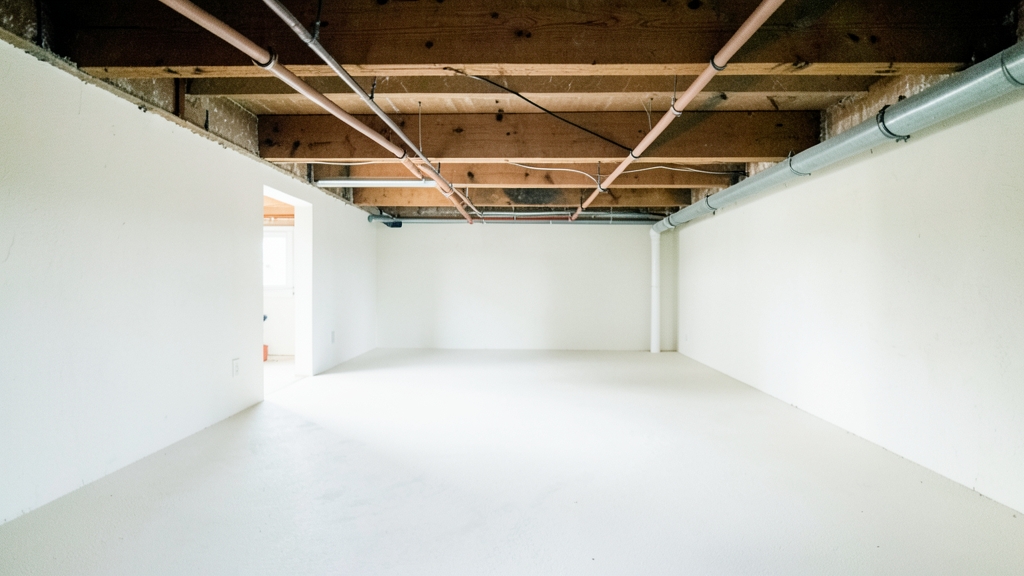
Mold isn’t always visible, but its spores are often floating in the air you breathe. In Quincy’s humid coastal climate, air quality testing is the only way to confirm hidden contamination and verify that remediation worked. We use lab-grade methods to detect what the naked eye can’t see.
Why Air Quality Testing Is Non-Negotiable in Mold Remediation
Mold spores are microscopic and can spread through HVAC systems, settling in areas far from the original water damage. Without testing, you risk incomplete removal and recurring growth.
Quincy’s older homes, especially in neighborhoods like Wollaston or Adams Shore, often have hidden moisture in basements or attics. Testing identifies spore types and concentrations, guiding targeted remediation.
Post-remediation verification (PRV) testing confirms that spore levels return to normal, indoor baselines. This step is critical for health and property value.
DIY test kits lack the sensitivity and specificity of professional air sampling. Improper collection or handling can skew results, leading to costly missteps.
Types of Air Quality Tests We Use in Quincy Projects
Non-viable air sampling captures spores on a cassette for lab analysis. It’s quick, cost-effective, and ideal for initial assessments in residential and commercial spaces.
Viable air testing (culture-based) identifies live mold species, helping us determine if the growth is active. This is useful in healthcare or sensitive environments in Braintree or Milton.
ERMI (Environmental Relative Moldiness Index) uses DNA analysis to compare indoor spore types against a national database. It’s especially valuable for post-remediation clearance.
| Method | Best For | Turnaround Time | Identifies Species |
|---|---|---|---|
| Non-viable (spore trap) | Initial screening, general spore count | 24-48 hours | No |
| Viable (culture) | Active mold, species identification | 5-7 days | Yes |
| ERMI (PCR) | Comprehensive spore analysis, PRV | 3-5 days | Yes |
| Surface sampling (tape/swab) | Visible mold, source tracking | 24-48 hours | Yes |
When to Test: Key Moments in the Remediation Process
Pre-remediation testing establishes a baseline. We compare post-remediation results to this to confirm success, especially in water-damaged basements common in Weymouth or Hingham.
During remediation, we may retest if we uncover extensive hidden mold in wall cavities or under flooring. This adjusts our containment and removal strategies.
Final clearance testing is the only way to prove the job is done. We recommend it for all projects, but it’s essential for commercial properties or before selling a home in Boston’s competitive market.
How Quincy’s Climate Affects Mold and Air Quality
Coastal humidity and seasonal storms create perfect conditions for mold. Quincy’s proximity to the Atlantic means higher indoor moisture levels, especially in crawl spaces and basements.
Winter brings condensation issues from temperature swings, while summer’s heat and humidity accelerate spore growth. Proper ventilation and dehumidification are year-round necessities.
Neighboring towns like Milton or Braintree share similar challenges. Air quality testing helps us tailor moisture control solutions to the local microclimate.
Keep indoor humidity below 50% with dehumidifiers and proper ventilation. This simple step prevents most mold growth before it starts.
What Air Quality Test Results Actually Tell Us
Lab reports detail spore counts (spores/m³) and types, such as Aspergillus, Penicillium, or Stachybotrys. Elevated levels indicate a problem, even if mold isn’t visible.
Outdoor vs. indoor comparisons are critical. If indoor spore counts are higher than outdoor baselines, remediation is needed. We also look for water-indicator species like Chaetomium.
Post-remediation, we expect indoor spore counts to match or fall below outdoor levels. If not, we revisit containment, cleaning, or moisture sources.
The Link Between Air Testing and Effective Remediation Strategies
Test results dictate our approach. High spore counts in HVAC systems may require duct cleaning or replacement. Porous materials like drywall often need removal if contaminated.
For attic mold in Quincy homes, testing helps us determine if the issue stems from roof leaks or poor ventilation. This guides whether we focus on repairs, insulation, or airflow improvements.
In commercial mold remediation, air testing ensures compliance with OSHA and EPA guidelines, protecting employees and avoiding liability.
What to Do After Receiving Test Results
- Review spore types and counts with a professional
- Identify and address moisture sources immediately
- Develop a targeted remediation plan based on findings
- Schedule post-remediation verification testing
Common Mistakes Homeowners Make With Mold and Air Quality
Ignoring musty odors is a red flag. By the time you smell mold, spores are already airborne and spreading. Testing confirms the extent before it worsens.
Assuming bleach kills all mold is dangerous. Bleach only works on non-porous surfaces and can exacerbate hidden growth in drywall or wood. Professional remediation is safer.
Skipping post-remediation testing leaves uncertainty. Without verification, you risk recontamination, especially in high-risk areas like basements or crawl spaces.
Many homeowners’ policies cover mold testing and remediation if the mold results from a covered water loss. Check your policy and document the damage thoroughly.
How to Prepare for Professional Air Quality Testing in Your Home
A few simple steps ensure accurate results and a smooth process.
- 1Close Windows and Doors
Keep all windows and exterior doors closed for at least 12 hours before testing to get a true indoor air snapshot.
- 2Avoid Cleaning or Disturbing Mold
Don’t attempt to clean or remove mold yourself before testing. This can stir up spores and skew results.
- 3Turn Off HVAC Systems
Shut down heating or cooling systems 1-2 hours before the test to prevent spores from spreading or being filtered out.
- 4Clear the Area
Remove pets, people, and any items that might obstruct access to areas of concern, like basements or attics.
- 5Provide Access to Problem Areas
Unlock crawl spaces, attics, or utility rooms so our team can take comprehensive samples.
Frequently Asked Questions
How long does air quality testing for mold take in Quincy?
On-site sampling takes about 1-2 hours, depending on the property size and number of areas tested. Lab analysis typically takes 24-48 hours for non-viable tests, or up to a week for viable or ERMI testing.
Is air quality testing necessary if I can already see mold?
Yes. Visible mold is just part of the problem. Testing reveals hidden contamination, identifies spore types, and helps us determine if the mold has spread to other areas, like your HVAC system or adjacent rooms.
Can air quality testing tell me if my Quincy home’s mold is toxic?
Testing identifies the types of mold present, including species like Stachybotrys (often called ‘black mold’). However, the term ‘toxic mold’ is misleading—all mold should be addressed promptly, as even common species can cause health issues or structural damage.
What’s the difference between air quality testing and surface testing?
Air testing measures spore concentrations in the air, indicating potential inhalation risks. Surface testing (via tape lifts or swabs) confirms mold on specific materials. We often use both for a complete picture, especially in complex cases.
Do I need to leave my home during mold remediation?
For small, contained projects, you may not need to relocate. However, for extensive remediation—especially in areas like basements or attics—we recommend temporary relocation to avoid exposure to disturbed spores. We’ll discuss this during your consultation.
How often should I test for mold after remediation?
We recommend a post-remediation verification test immediately after work is complete. For peace of mind, especially in high-risk homes, retest every 6-12 months or after any water intrusion events.